

Law college doesn't teach many about land surveys, which leaves many aspiring real real estate attorneys in a new quandary. Surveys frequently occupy the key of real estate property purchases and disputes. Inside fact, surveys are usually central to MANY real estate property matters, which include land conveyances, border disputes, and real estate development. Yet almost all beginning attorneys be short of even a basic being familiar with of the kinds of surveys. Despair not: this specific article provides a good summary of the types of surveys and even their intended reasons.
DIFFERENT TYPES INVOLVING SURVEYS
The actual category and reason for the survey can tremendously increase the reader's understanding. This is much the same as seeking out an air travel window: the region mls below can be incomprehensible unless you possess some idea of precisely what to expect.
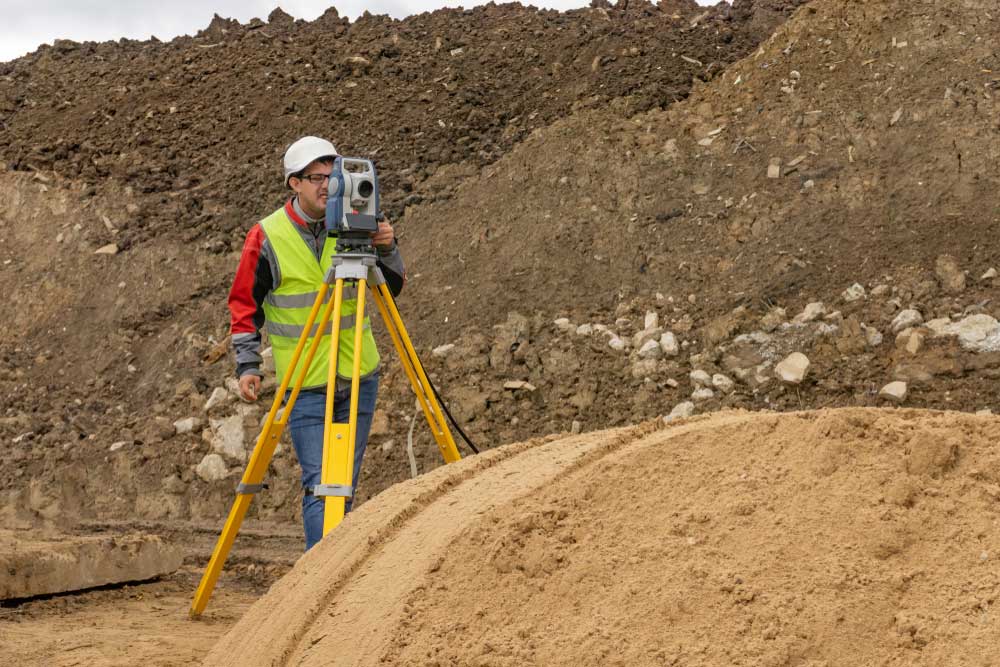
You will find roughly four overarching categories of research: 1) boundary, 2) plat, 3) topographic, and 4) construction. Everyone has their own goal the following:
1. Border. Boundary surveys show the location of lots without separating them into new properties. The most common subcategory is a 'record of survey', which is the variety located recorded with state auditor's offices. Other subcategories include 'right of way' (road boundaries), ALTA or ACSM (surveys with regard to land title policies), riparian (water boundaries), and boundary line adjustment.
2. Plat. Plats depict the division of properties. They in essence take one particular property and break up it into 2 or more elements. For example, a new plat might produce a subdivision, or perhaps a 'short plat' might create a new small subdivision. These kinds of types of surveys can also depict multiple properties which in turn coexist as the single lot-a condo 'survey map and plan. '
several. Topographic. Topographic surveys show the "contours" of the terrain. Topographical Surveyors Brislington and popular "contour" is change in elevation, generally draw as traces representative of 2 foot rises or drops. Other frequent contours include properties, roads, utilities, waterways, and trees. Rather than boundary surveys and plats, topographic surveys typically do not really focus on lot ranges, though boundary outlines could possibly be included intended for added perspective. The wetlands critical area survey is a good example regarding a topographic subcategory.
4. Website link . Because the name implies, construction surveys meet construction site and planning needs. They thus often demonstrate roads, sewer ranges, elevation changes, tornado drain sections, energy lines, building measurements, physical obstruction, and any other functions about which contractors should be aware. Consider them typically the survey equivalent to a building's executive drawings.
Before interpreting any survey, initially identify its kind and purpose. Your own clients will thank you intended for it later.