

HVAC (Heating, Ventilation, and Air Conditioning) methods work by controlling the temperature, humidity, air quality, and airflow inside a constructing or enclosed area. These systems are designed to take care of a snug and wholesome indoor setting. Here's how an HVAC system typically works:
1. Heating:
During the heating season, the HVAC system extracts warmth from a warmth source and distributes it all through the constructing. There are different types of heating techniques, including:
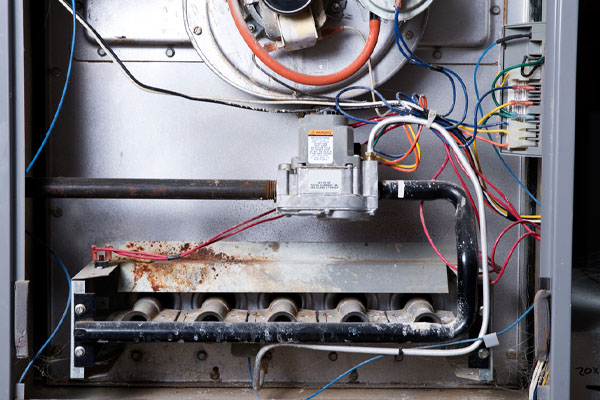
Furnace: Furnaces use natural gasoline, oil, electricity, or other fuels to generate heat. The warmth produced warms the air, which is then distributed by way of ducts using a blower.
Boiler: Boilers warmth water to produce steam or sizzling water, which is then circulated by way of radiators, baseboard heaters, or radiant flooring methods to supply warmth.
Heat Pump: Heat pumps can present both heating and cooling. They switch warmth between the indoor and outdoor items, extracting heat from the surface air (even in chilly weather) and pumping it indoors.
2. Additional reading :
Proper ventilation is important for indoor air quality. HVAC methods present air flow by exchanging indoor air with fresh outside air. Ventilation techniques remove pollutants, control humidity, and replenish oxygen. There are different methods of air flow, together with:
Natural Ventilation: Opening windows and doorways to let contemporary air in and rancid air out.
Mechanical Ventilation: Using fans and ducts to manage the move of air, ensuring adequate ventilation in various elements of the building.
3. Air Conditioning:
During the cooling season, HVAC techniques take away heat from indoor air and release it outside. Air conditioning techniques use refrigerants to chill and dehumidify the air. The cooling course of entails several elements:
Evaporator Coil: Warm indoor air is blown over the evaporator coil, where the refrigerant contained in the coil absorbs heat from the air. The cooled and dehumidified air is then circulated back into the constructing.
Condenser Coil: The refrigerant carrying the absorbed heat is pumped to the outdoor unit (condenser), where the warmth is released into the outdoor air.
Compressor: The compressor increases the strain and temperature of the refrigerant, facilitating the heat trade course of.
Expansion Valve: The enlargement valve reduces the pressure of the refrigerant, causing it to increase and cool rapidly, making ready it for the next cycle.
4. Air Distribution:
HVAC methods use ducts and fans to distribute conditioned air all through the building. Ductwork carries heated or cooled air to various rooms, and fans ensure the proper circulation of air.
5. https://canvas.instructure.com/eportfolios/2466585/Home/How_necessary_is_air_conditioning :
A thermostat acts because the control middle of the HVAC system. It senses the indoor temperature and, primarily based on the set temperature, signals the system to heat or cool the air till the desired temperature is reached.
Regular maintenance, correct sizing, and proper set up are essential for the efficient operation of an HVAC system, making certain optimal consolation, vitality efficiency, and indoor air high quality..