

Land surveyors once used tape measures and transits to measure distances and positions. Because the 1980s, electronic distance measurement, or EDM, devices have allowed for a lot more efficient and accurate measurements. These use a wave of energy that is shot between the EDM instrument and a reflector. The time the beam takes to come back is then calculated as distance. Today, such calculations can be carried out using sophisticated GPS systems.
The Global Positioning System uses a network of satellites to precisely pinpoint the device's location on Earth at at any time. GPS uses Informative post of trilateration, utilizing the location of several satellites to pinpoint an exact location. A receiver can determine the latitude, longitude, and elevation of a spot using four or more satellites; there are always a total of 24 Global Positioning System satellites currently in use. First developed by the U.S. Department of Defense as a navigational assist in 1994, today it really is found in many devices, tracking everything from mobile phones and delivery vehicles to the movement of the tectonic plates of Earth's crust.
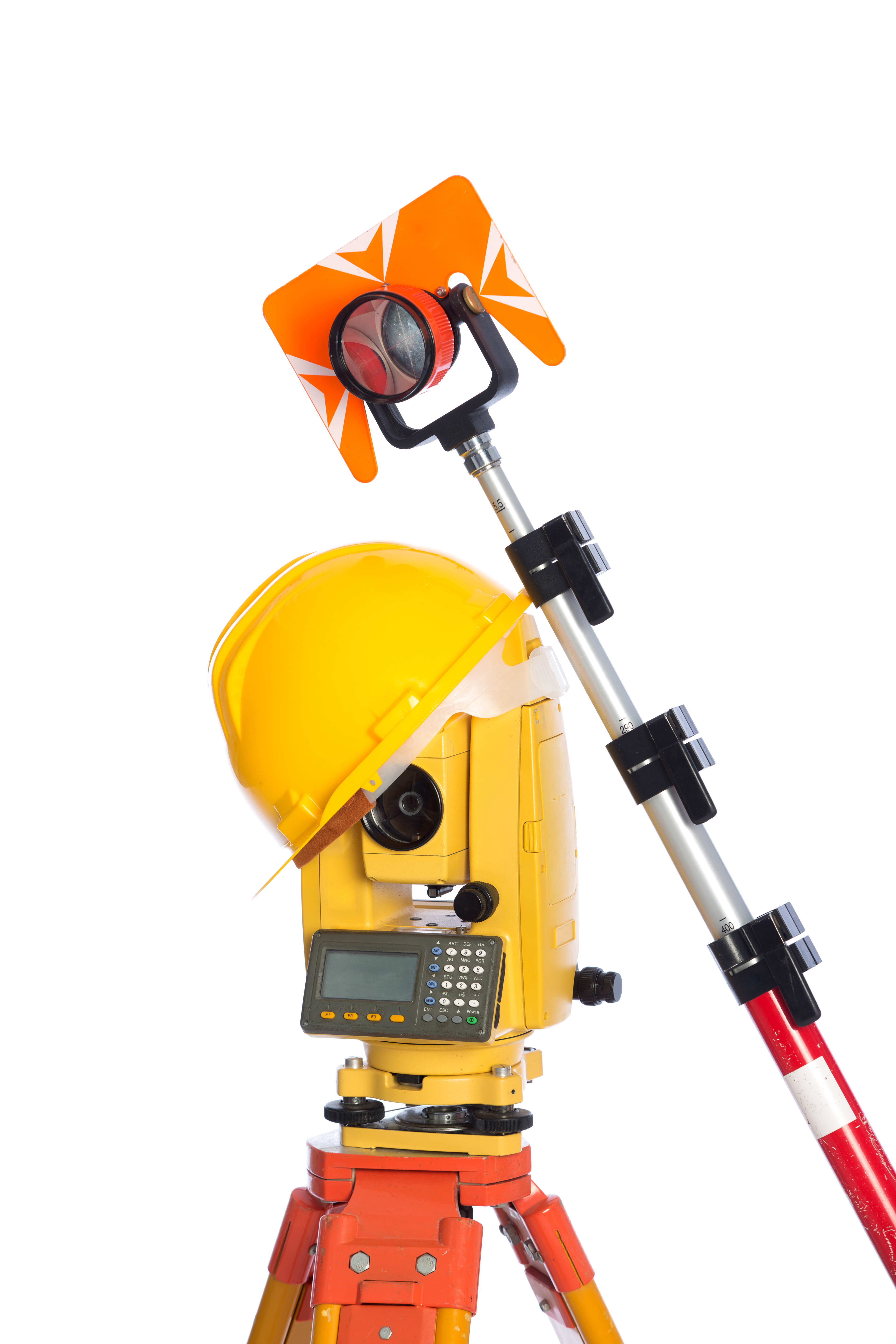
Land surveyors use Global Position Systems to notice the complete coordinates of spatial locations. Exact measurement of these positions is among the fundamental components of land surveying. The advantage of is that it is much more accurate than hand-measuring these locations. There's some extent of error in every land surveying measurements, due to human errors, environmental characteristics like variations in magnetic fields, temperature, and gravity, and instrument errors. GPS allows for much more precise measurements than previously open to land surveyors using measuring tape and an angle sight.
Another benefit of the use of its use as a land surveyor is that the coordinates can be located precisely, while other methods of land surveying rely on measurements from other known locations, like the edge of the house line, the corner of a residence, or another landmark. These locations could change as time passes, such as if a house is torn down or another obstacle is built between your structure and the measured point; even a surveyor's stake could be removed before the land is re-surveyed. https://click4r.com/posts/g/13513779/ of confirmed location on the planet, however, remains the same. Therefore, using GPS as a land surveyor produces measurements that will be accurate no matter what happens to the encompassing land.
Although Global Position System receivers allow for very precise measurements, there is still a degree of error involved. A receiver on a tripod will record the location slightly differently every time; when many measurements are taken, these data points will form a cluster round the actual location. Better-quality receivers, needless to say, reduce this amount of error. Survey-grade receivers, instead of those meant for non-surveying uses, may produce a group of measurements clustered within just one centimeter of the actual location. Today's receivers are steadily gaining in use, but is probably not as accurate because the surveyor would like, especially in areas that are heavily wooded or that have other large obstructions. However, the technology is rapidly advancing and gaining a foothold in the available equipment for land surveyors. Since 1994, the accuracy available when working with GPS units has improved steadily.