

Commercially released in the past due 1990's, laser surveying-also known as lazer scanning-has grown inside popularity until, right now, surveying companies that wish to remain competitive must own personal a laser scanning device, and often several. Although GPS surveying remains a common service, its drawbacks in comparison to laser surveying are causing an industry wide swap to the latter-a change that a few surveyors have already embraced.
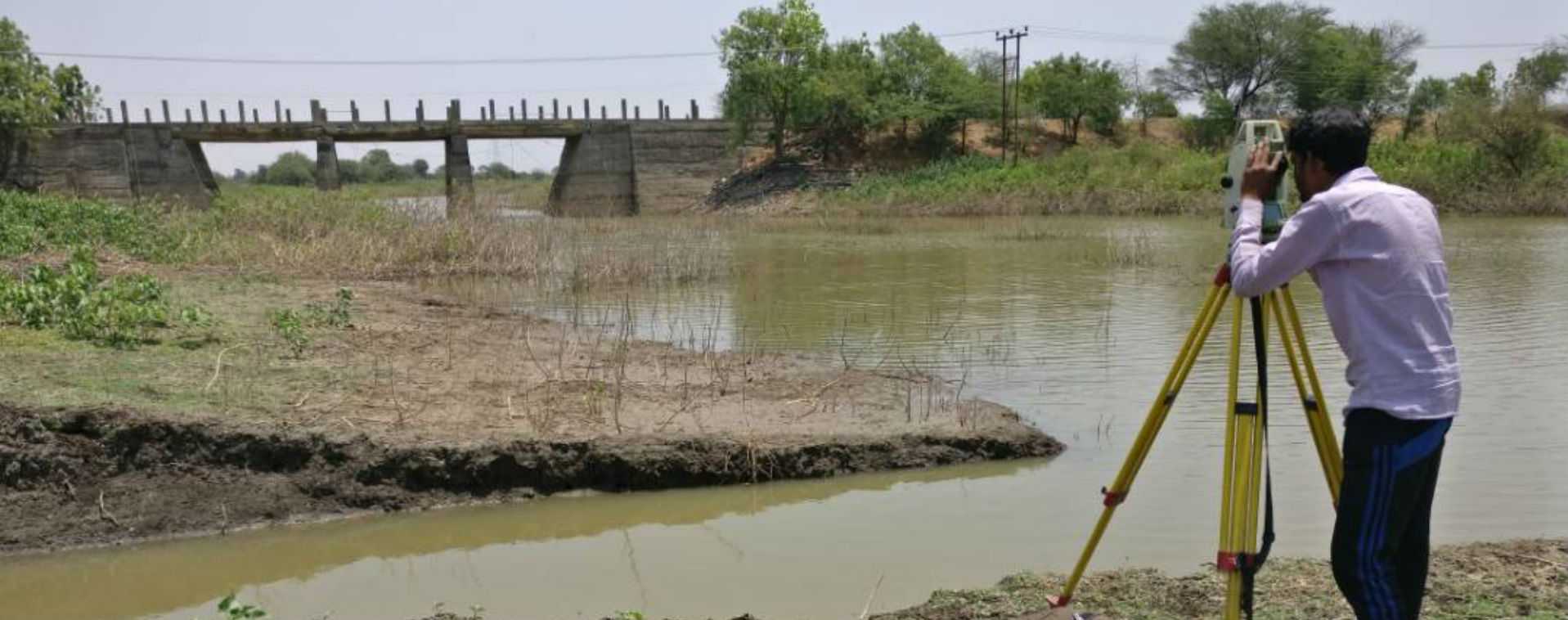
One instance of an inspector that successfully transitioned from GPS in order to laser scanning will be LandAir Surveying, the Georgia based company that started business in 1988 doing topographic surveys plus site surveys intended for contractors in Georgia and surrounding claims. Like the majority of surveyors who graduated to laser beam scanning, LandAir applied GPS into typically the early 2000's, when a specific job revealed the want for an tools upgrade. For LandAir, that project seemed to be the Georgia Office of Transportation's requirement of an as-built circumstances survey for the eight lane link, which was too broad and long with regard to GPS devices to survey with precision.
After attending the laser scanning demonstration by a Leica Geosystems representative in 2005, LandAir acquired the Leica 3 thousands, and today makes use of Leica's HDS6100, HDS6000, and ScanStation 2 scanners. Initially using its equipment regarding conventional projects, LandAir expanded to tasks whose size in addition to complexity necessitate lazer scanners, such as-builts of large decorations and structural support surveys, when businesses with such projects came knocking on its door. The values that LandAir's early scanning clients saw in lazer surveying are typically the same value that it holds today:
The ability to be able to survey a larger variety of things, environments and buildings
The ability to be able to complete a surveying project in since little as one surveying session
The collection of more accurate data than GPS or total areas
The delivery of editable data versions that clients can manipulate, thus lessening surveyor involvement.
Seeing that LandAir discovered within 2005, surveyors who switch from conventional surveying to laser beam surveying do extra than swap gear; they also switch the way they conduct the particular surveying process. Whenever switching from GPS DEVICE, field notes turn into a thing associated with the past, changed by endless info points and photo taking files; a standard brand of site to be able to the next surveying point is forgotten for more centered coverage; and laserlight scans often record more data than a client at first needs but at some point finds useful, which often decreases surveyor involvement. From Topographical Surveyors Henleaze , the laser beam surveyor's decreased participation has two advantages: it allows clientele more freedom since facilitated by editable project data, and it also drives down typically the surveying cost regardless of scanning equipment's increased price than GPS equipment.
Regardless regarding project type, its lower surveying expense and superior free incentives are making lazer scanning the new surveying standard at companies where that isn't already. https://vargas-ellis.mdwrite.net/a-few-types-of-surveying-1707183809 like LandAir include stayed ahead of the online game by embracing laserlight surveying early, a new move that records for LandAir's scanning experience in many fields and industries, including law observance, preservation, architecture, structure, engineering, and telecoms.