

Although a land survey may seem tedious and unnecessary, actually there are lots of cases in which you ought to have your land surveyed, to save confusion or legal troubles later.
When you have two surveys done, they will often have slight differences, because land surveying is as much an art as a science. Measurements are always subject to error. In land surveying, these measurements tend to be taken from landmarks such as for example fence posts; in two separate surveys, exactly the same landmarks will not be available, or may have shifted.
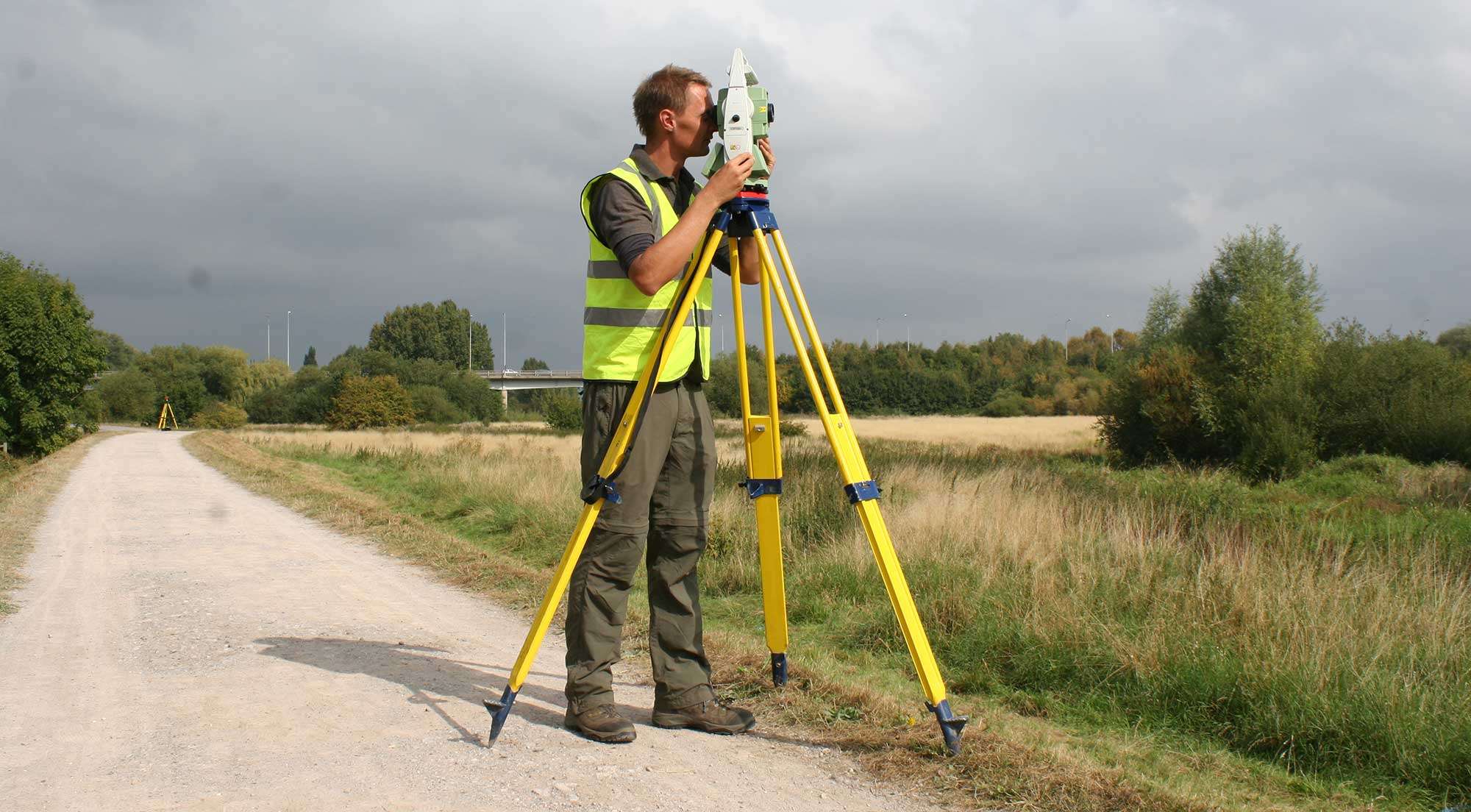
A land surveyor will research the documents available about your land, including titles and previous surveys. Then, they'll physically gauge the property, and check these dimensions against the previous records to find any discrepancies. Land surveyors may also use electronic equipment, GPS positioning, or other devices to look for the boundaries of your property.
You should always look at a new land survey should you be buying a little bit of real estate. Even though many mortgage companies or title insurance companies do not require one, it really is still smart to have a survey done. You should be aware of any boundary discrepancies that could affect the value of one's property before purchasing it. Any disputes about the boundaries of the house should be settled before you agree to purchase it, or you will be in for a legal headache later.
You may also desire to consider having a land survey done if you are planning to sell your property. More helpful hints is especially important in areas where road access is questionable. Determining the status of roads on your land might help your realtor determine how marketable the house is. Shoreline footage and acreage are two more selling points which might be measured by way of a land survey. https://pastelink.net/submit might devote an offer that's contingent on a survey; if you have the survey done ahead of time, you can save time and raise the chances of selling your property quickly.
Before building a shed, fence, or other structure on the edges of one's land, consider having a land surveyor mark the exact edges of your property. That way, you may be assured that you will be not building on your neighbor's land, and you can assure yourself that you are not fencing out any land that is actually yours. That is especially important when building a house or other large, permanent structure. There are various things to bear in mind when situating such a building, including easements, setbacks, and other requirements that'll be marked on your own new land survey. Do not let your contractor or builder determine where you can place this structure, as they will probably not be any more aware of your boundaries than you're.
Conversely, if your neighbor is building this type of structure and you believe it to be on your own property, have a land survey completed. This can be a first rung on the ladder towards resolving the problem and making certain your land remains yours to use.
Using an outdated survey to find out either of these matters puts you at a disadvantage. Newer measuring techniques, including GPS, mean that newer surveys would be the most accurate. Some areas, especially rural land, haven't been surveyed since the nineteenth century, and therefore oftentimes neighbors could be unknowingly encroaching on each other's land.